Understanding Fibromyalgia
A definitive, evidence‑based resource on fibromyalgia — a chronic disorder of central nervous system pain processing — for clinicians, researchers, and people living with it.
Last updated: 20 September 2026
What is Fibromyalgia?
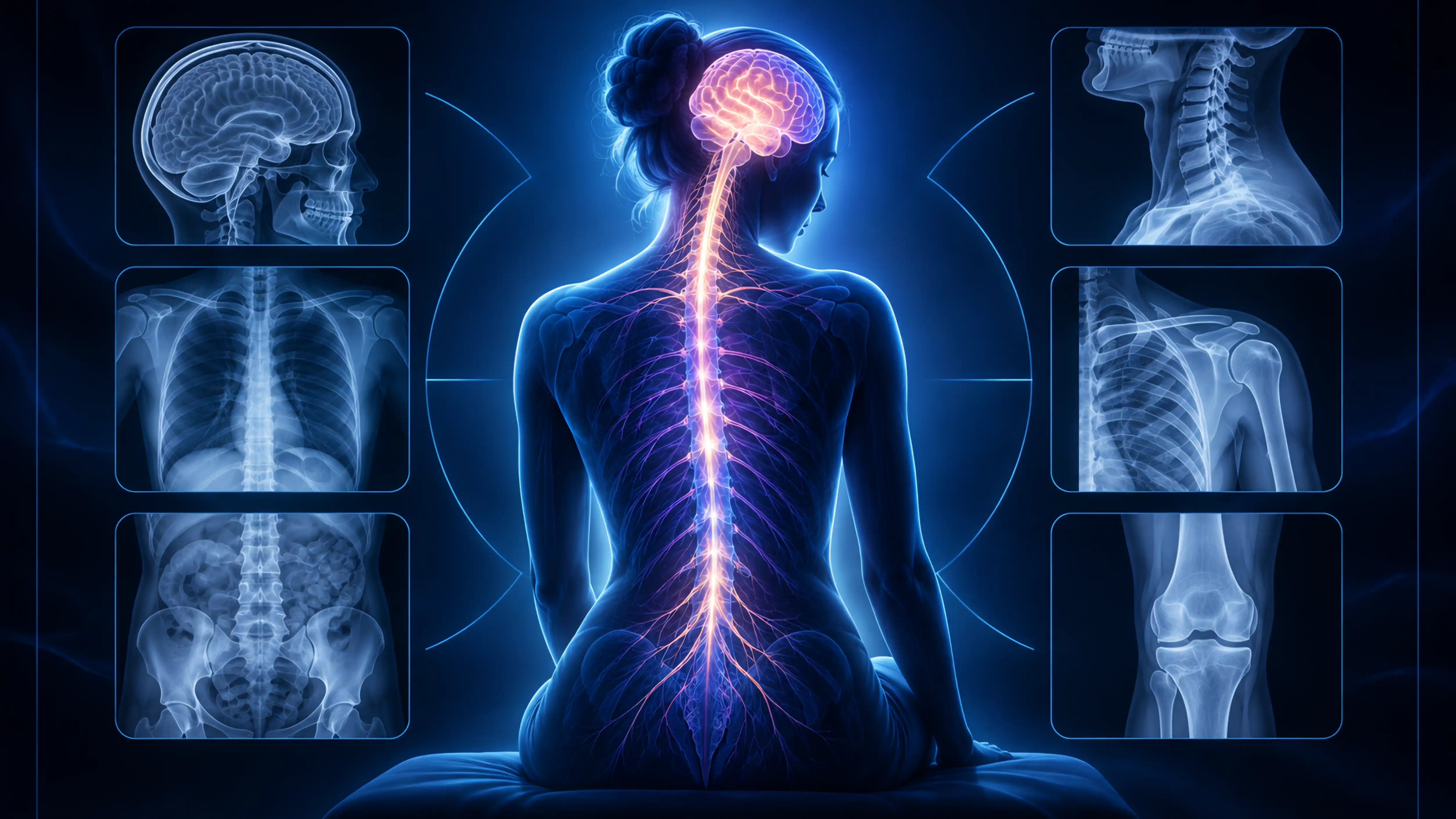
Fibromyalgia is best defined not as a disease of the muscles or joints but as a chronic disorder of central nervous system pain processing — a condition in which the brain and spinal cord amplify and misinterpret ordinary sensory signals, producing widespread pain, fatigue, unrefreshing sleep, and cognitive difficulty in the absence of tissue damage or inflammation.[1][2] The historical name fibrositis implied inflammation of fibrous tissue that was never actually found.[9]
Fibromyalgia can begin at any age but is most often recognised in middle adulthood.[2] It is diagnosed far more often in women than men — historically at ratios above 9:1 in clinic populations — but this gap narrows dramatically (to roughly 2–3:1) when researchers apply modern symptom-based criteria to the general population rather than relying on specialist referrals, strongly suggesting that men with fibromyalgia are substantially underdiagnosed.[15][1] Because standard blood tests, X-rays, and inflammatory markers are typically normal, patients have long faced skepticism — yet functional brain imaging shows the pain is neurologically real rather than imaginary.[1][7]
Fibromyalgia is not "pain without a cause." It is the prototype of nociplastic pain — pain arising from altered nociceptive processing in the central nervous system, in the absence of clear tissue damage or nerve injury.
Central Sensitization: The Amplified Pain System
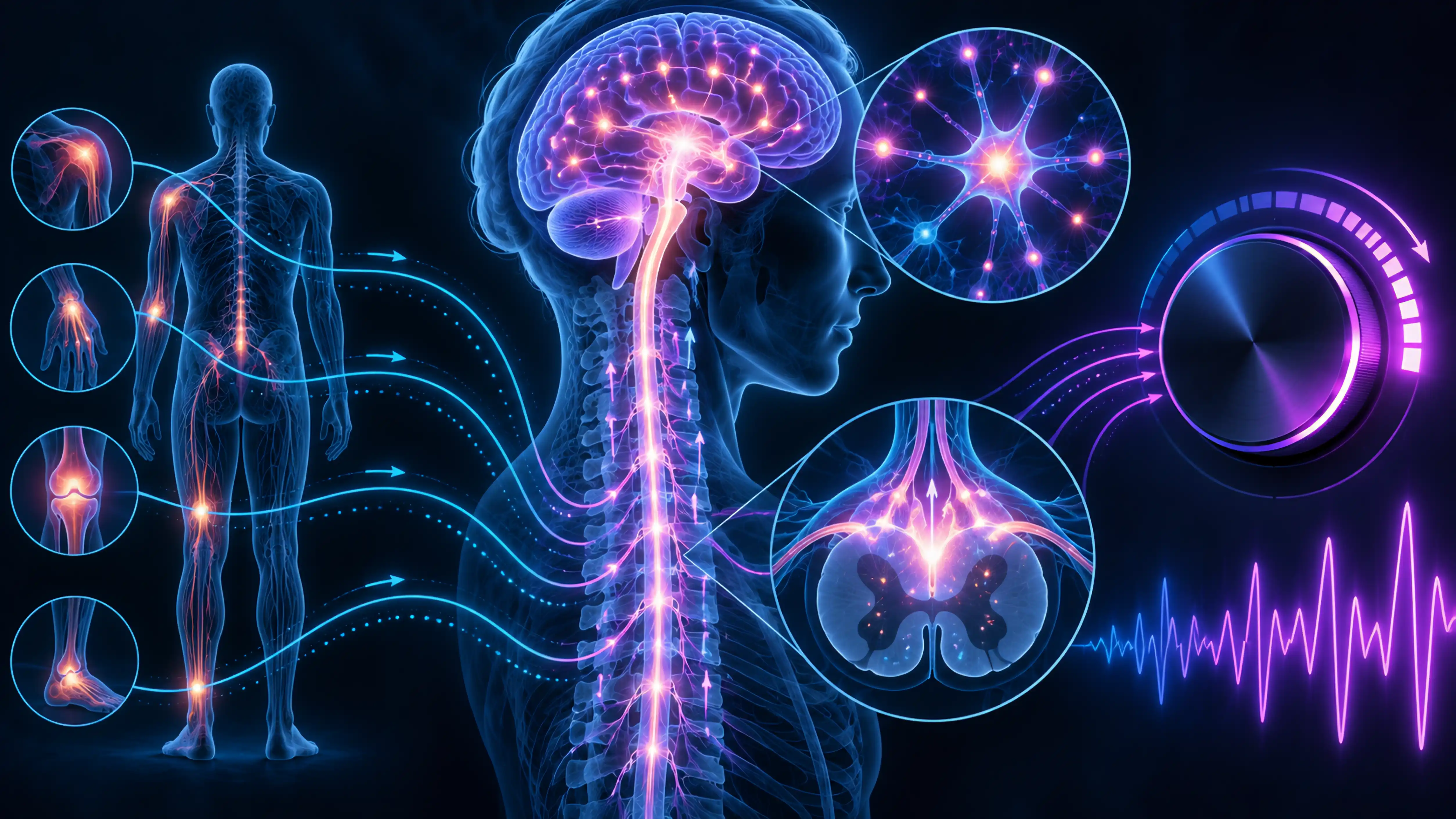
The central concept is central sensitization: neurons in the spinal cord and brain become hyper-responsive, so the pain system's "volume knob" is turned up. Two hallmarks appear on testing — hyperalgesia (an exaggerated response to genuinely painful stimuli) and allodynia (pain from stimuli that should not hurt, such as light touch or mild pressure).[1][2]
🧪 Neurotransmitter imbalance
The neurochemistry tips toward facilitating pain and away from inhibiting it. Cerebrospinal-fluid studies found substance P about three times higher in fibromyalgia patients than in controls,[6] and brain spectroscopy shows elevated glutamate (the main excitatory neurotransmitter) in the insula, correlating with experimental pain.[8] Meanwhile the descending pathways that dampen pain — driven by serotonin and norepinephrine — appear underactive, which is part of why drugs that raise those transmitters help.[1]
🧲 Brain-imaging evidence
Functional MRI made the case visible. In a landmark 2002 study, the same mild pressure produced far greater activation in pain-processing regions in fibromyalgia patients than in controls — objective evidence that identical input is amplified centrally.[7] Later imaging extended this to altered connectivity within the brain's pain networks.[1][8]
😴 Non-restorative sleep
As far back as 1975, researchers documented an alpha-EEG (alpha–delta) intrusion — fast "waking" brain-wave activity breaking into deep non-REM sleep — and showed that depriving healthy volunteers of deep sleep could reproduce fibromyalgia-like aches, implicating non-restorative sleep in the disorder itself.[9]
⚡ Autonomic dysregulation
Research also points to imbalance in the autonomic nervous system, with relative sympathetic ("fight or flight") overactivity and reduced heart-rate variability — thought to contribute to unrefreshing sleep, fatigue, and other symptoms as a contributing feature rather than the sole cause.[2]
The Symptom Profile

Widespread, migratory pain
The defining symptom is pain that is widespread — above and below the waist and on both sides of the body — often aching, burning, throbbing, or electrical, and characteristically moving and fluctuating across regions from day to day.[1][3]
Sensory amplification beyond pain
Central sensitization is not limited to pain. Many patients experience heightened sensitivity to bright light, loud sound, strong odors, and temperature extremes — a general "turning up" of sensory processing.[1][2]
| Symptom domain | Typical presentation | Everyday impact |
|---|---|---|
| Pain | Widespread, migratory, aching/burning; hyperalgesia & allodynia | Reduced activity, disrupted work, guarding of touch |
| Fatigue | Persistent, disproportionate, unrelieved by rest | Limited stamina, reduced participation |
| Sleep | Unrefreshing sleep; frequent awakenings; alpha-intrusion | Amplified pain and fatigue the next day |
| Cognition | "Fibro fog": memory, word-finding, concentration | Work errors, lost items, mental exhaustion |
| Sensory | Sensitivity to light, sound, odor, temperature | Overwhelm in busy environments |
What Sets Fibromyalgia in Motion

🧬 Genetic predisposition
Fibromyalgia clusters in families. A formal family study found first-degree relatives of a person with fibromyalgia had roughly 8.5 times the odds of having it themselves versus relatives of controls, and it co-aggregated with mood disorders — pointing to partly inherited biology in pain- and mood-relevant systems.[12]
💥 Physical or psychological trauma
Onset is frequently triggered by a physical stressor — a motor-vehicle accident, spinal injury, or surgery — or by severe psychological stress, which appear to precipitate central sensitization in predisposed individuals.[1][2]
🦠 Post-infectious onset
Certain infections have been linked to triggering the syndrome. This gained fresh attention with COVID-19: a survey study found a meaningful proportion of people meeting fibromyalgia criteria did so after SARS-CoV-2 infection, positioning fibromyalgia within the post-COVID / "long COVID" spectrum.[13] Epstein–Barr virus and Lyme disease are also commonly cited, though causality is harder to prove.[2]
🩺 Rheumatic comorbidity
People already living with autoimmune or inflammatory rheumatic diseases — rheumatoid arthritis, lupus, ankylosing spondylitis — have markedly higher rates of concurrent fibromyalgia, which can complicate diagnosis because the extra pain is easy to blame on the primary disease.[1][2]
From Tender Points to Symptom Scales
📍 The 1990 ACR criteria
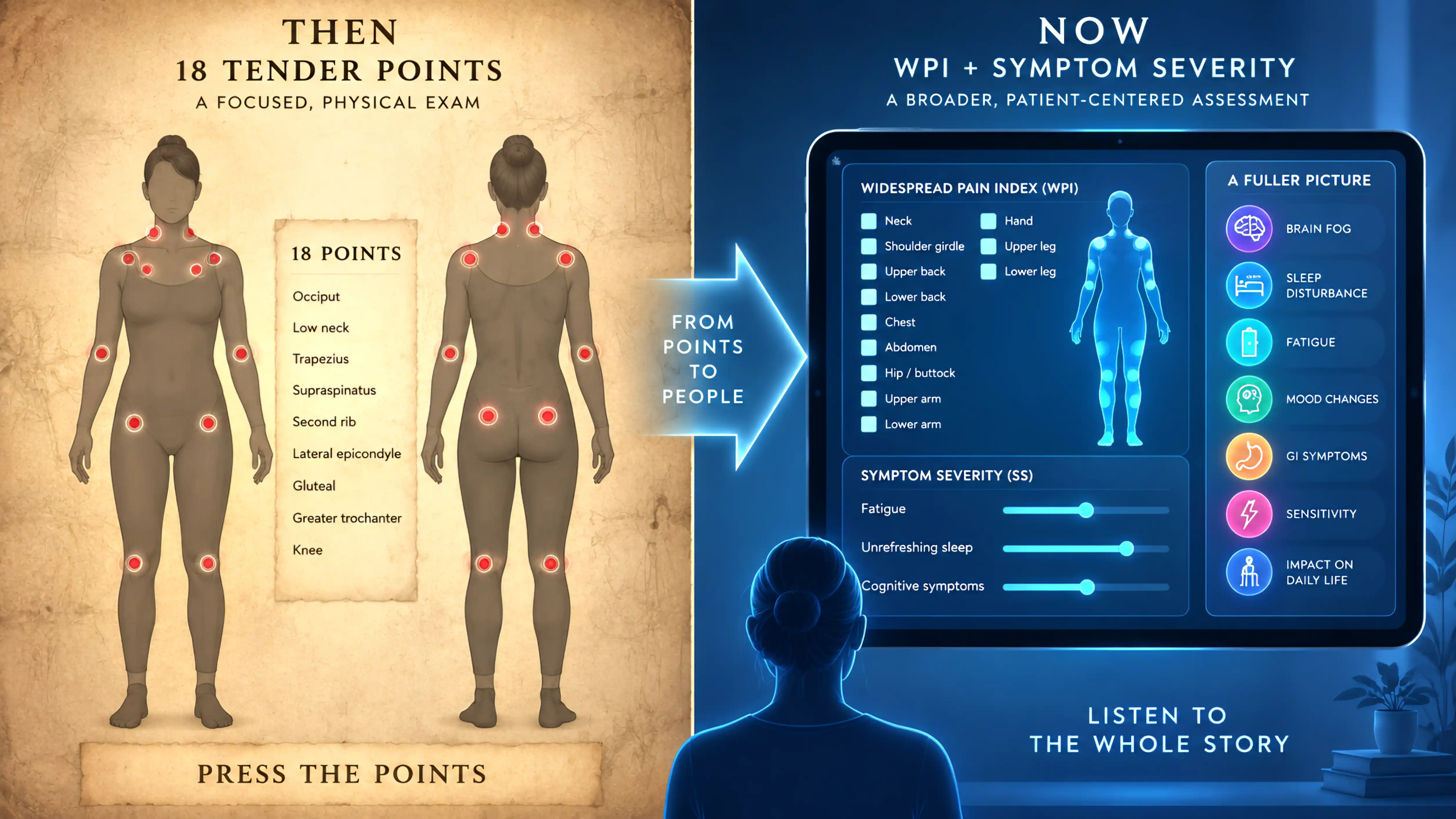
The original 1990 ACR classification criteria required widespread pain plus tenderness at at least 11 of 18 specific "tender points" pressed by the examiner.[3] Useful for research, this proved awkward in clinic — tender-point exams were inconsistently performed and ignored the non-pain symptoms patients found most disabling.
📊 The 2010 / 2016 criteria
The 2010 preliminary criteria replaced the tender-point exam with two patient-reported scales: the Widespread Pain Index (WPI), a 0–19 count of painful regions, and the Symptom Severity (SS) scale (0–12) grading fatigue, unrefreshing sleep, cognitive symptoms, and somatic complaints.[4] The 2016 revision refined the thresholds and added a generalized-pain requirement to reduce misclassification.[5]
✅ Positive diagnosis, not just exclusion
The field has shifted toward diagnosing fibromyalgia positively, on the strength of its characteristic clinical picture, rather than treating it only as a diagnosis of exclusion — while still ruling out mimics such as hypothyroidism, inflammatory arthritis, and multiple sclerosis where the history warrants it.[1][5] In the broader pain taxonomy, fibromyalgia is now the prototype of nociplastic pain — a third mechanistic category alongside nociceptive and neuropathic pain.[1]
Fibromyalgia Rarely Travels Alone
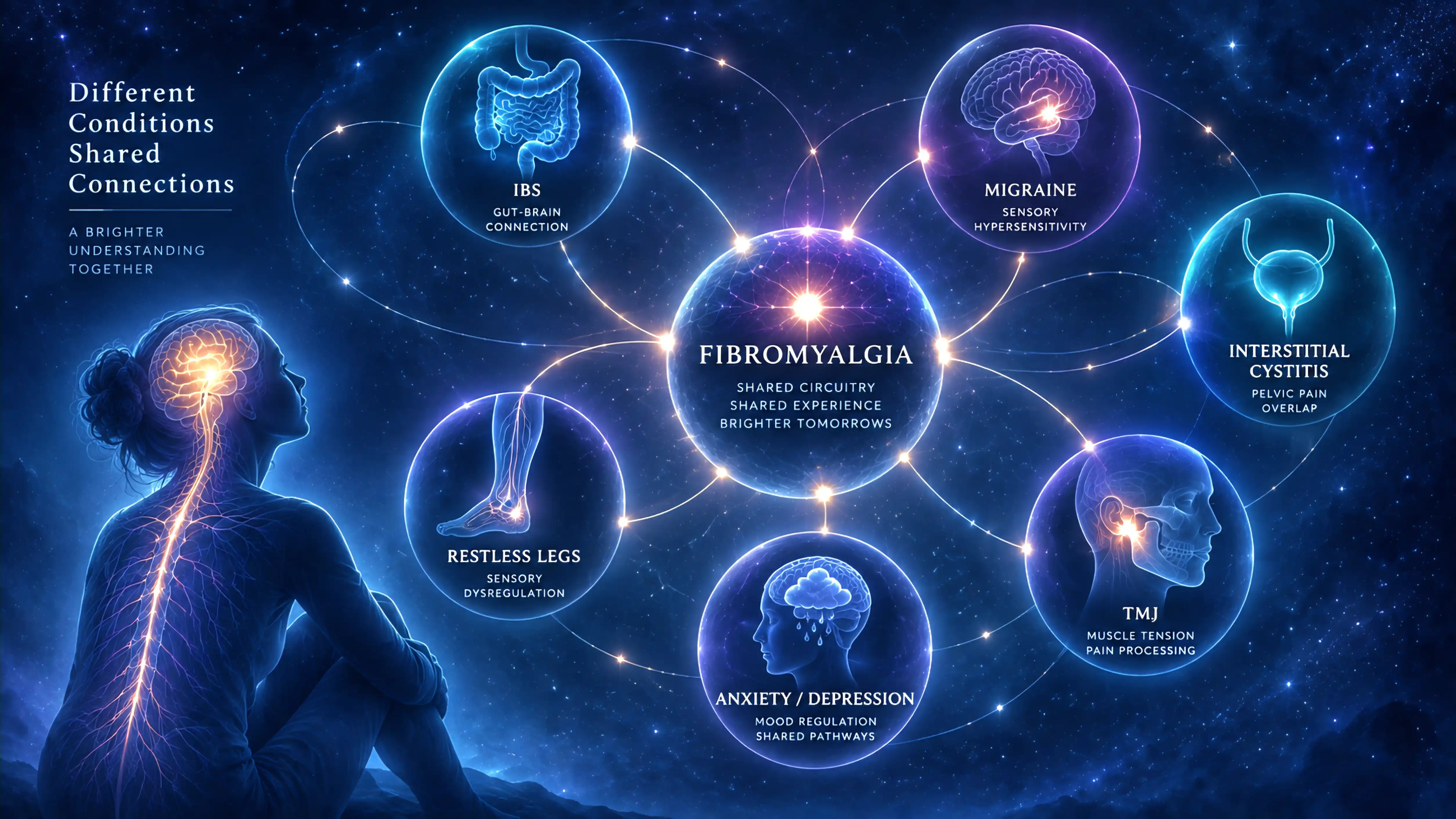
It overlaps heavily with other "central sensitivity" conditions, and recognising the overlaps matters clinically — treating one (for example, a drug that helps both pain and mood) can help several at once.[1][2]
Gastrointestinal
Irritable bowel syndrome (IBS) and gastro-oesophageal reflux (GERD).[1]
Neurological
Chronic migraine, tension-type headache, and restless legs syndrome.[2]
Urologic / pelvic
Interstitial cystitis (painful bladder syndrome) and chronic pelvic pain.[1]
Orofacial
Temporomandibular joint (TMJ) disorders.[1]
🧠 Depression & anxiety
Clinical depression and anxiety disorders occur at high rates — driven both by shared neurobiology (serotonin/norepinephrine systems) and by the genuine burden of living with unremitting pain and fatigue.[2][12] If low mood becomes overwhelming, please reach out — see Crisis Support below.
A Multimodal Approach
| Medication | Class / mechanism | Status & notes |
|---|---|---|
| Pregabalin (Lyrica) | α2δ calcium-channel ligand (calms neuronal excitability) | FDA-approved for fibromyalgia (2007) — the first approved[16][1] |
| Duloxetine (Cymbalta) | SNRI (boosts descending pain inhibition) | FDA-approved (2008)[16] |
| Milnacipran (Savella) | SNRI | FDA-approved (2009)[16] |
| Cyclobenzaprine, sublingual (TNX-102 SL) | Muscle relaxant / centrally acting (bedtime) | Reported as a more recent FDA-approved agent[16] |
| Amitriptyline; cyclobenzaprine (oral) | Tricyclic / muscle relaxant (low dose, for sleep & pain) | Commonly used off-label[10][1] |
| Low-dose naltrexone (LDN) | Opioid antagonist (low dose; investigational) | Small trial: ~29% vs ~18% pain reduction vs placebo — promising, low certainty[11] |
| NSAIDs (ibuprofen) & opioids | Peripheral anti-inflammatory / opioid analgesics | Generally ineffective for centrally generated pain; opioids may worsen it and carry harms[1] |
🏃 Movement as medicine
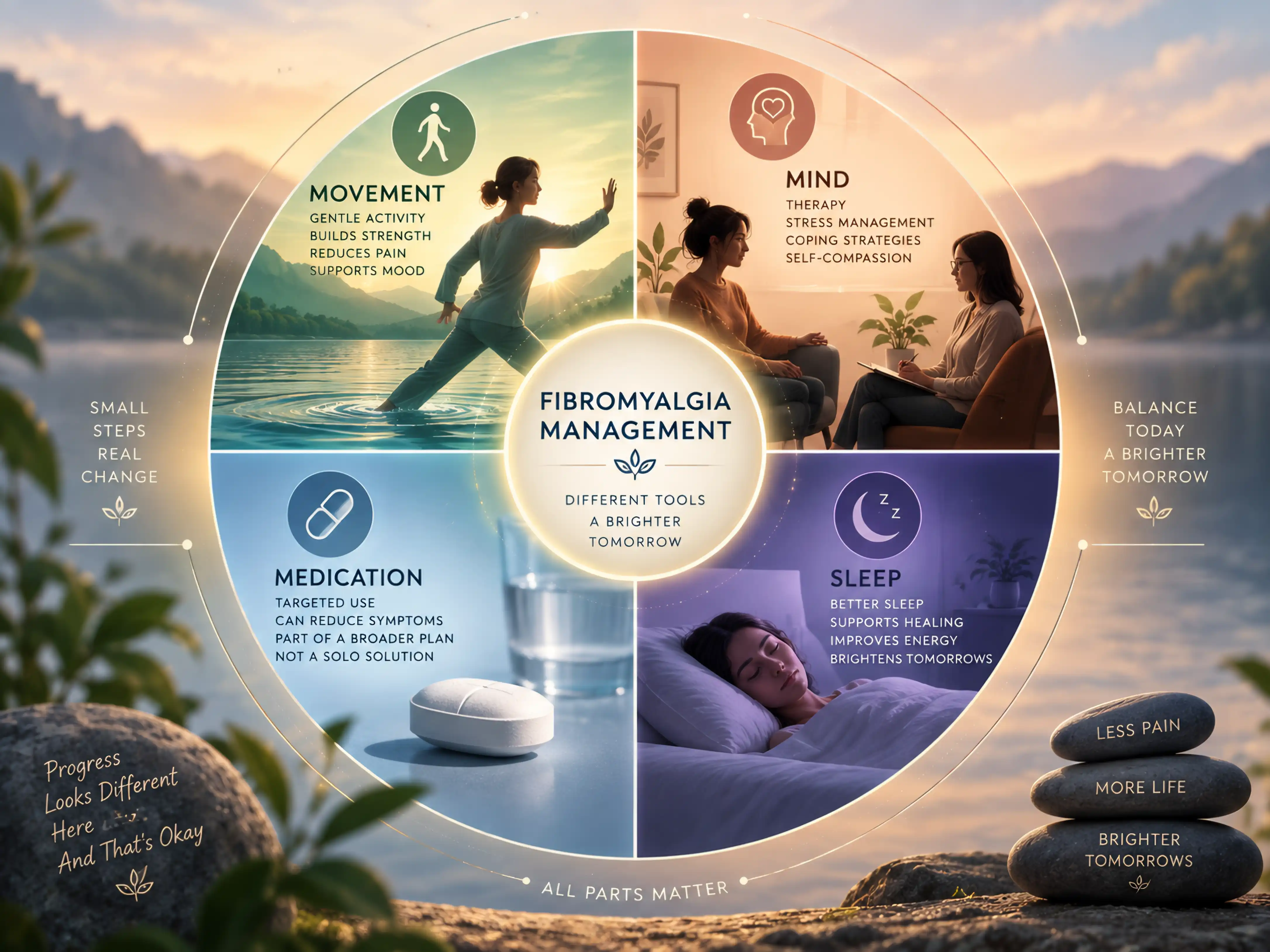
Counterintuitively for a pain condition, graded low-impact aerobic exercise is the single best-supported intervention — the EULAR guideline rates exercise as its only "strong for" recommendation.[10] Warm-water (aquatic) therapy, tai chi, and gentle walking, started low and increased slowly, help retrain the nervous system while avoiding the flare a sudden hard workout can provoke.
Living Well Day to Day

Pacing & the "energy envelope"
A cornerstone of self-management is avoiding the push–crash cycle: overdoing activity on a good day, then paying with days of flare. The widely shared "Spoon Theory" (coined by patient-advocate Christine Miserandino) is a practical metaphor for a finite daily energy budget, helping patients plan and prioritise rather than boom-and-bust.
Future Directions
🔬 Objective biomarkers
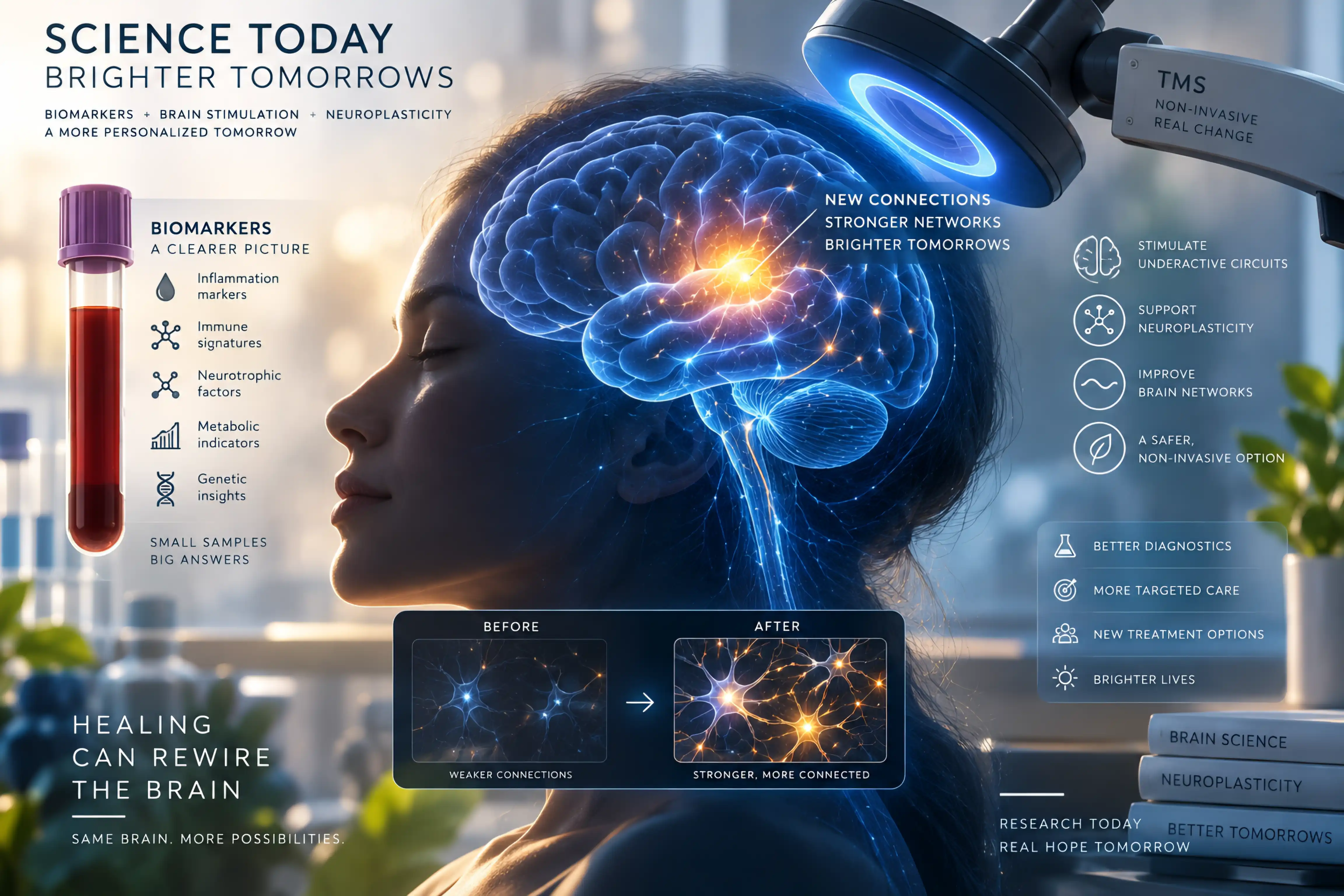
A major goal is a definitive, objective test. Researchers are exploring blood-based signatures — inflammatory cytokine patterns, RNA/gene-expression profiles, and metabolomic/spectroscopic fingerprints — but as of now no blood test is validated for clinical diagnosis, which remains clinical.[1][2]
🧲 Neuromodulation
Techniques that aim to "re-tune" the sensitized nervous system are under study, including transcranial magnetic stimulation (TMS) and vagus-nerve stimulation; guideline bodies currently regard these as investigational with limited or mixed evidence.[10]
🌿 Cannabinoids
Medicinal cannabis and the role of the endocannabinoid system are of intense patient interest, but the evidence base is still weak and guidelines stop short of endorsing them.[10]
🆘 Crisis Support — You Are Not Alone
Living with chronic pain can take a heavy toll on mood. If you or someone you love is in immediate danger or having thoughts of suicide, please reach out now. The crisis lines below are free, confidential, and most operate 24/7.
Outside these regions, or for a worldwide directory of crisis centres, visit the IASP global directory[24]. In any life-threatening emergency, call your local emergency number (e.g., 911 in US/Canada, 999 in UK, 000 in Australia, 111 in NZ, 112 in EU/India).
Cited Sources
All sources below link to peer-reviewed publications, government health agencies, or authoritative clinical guidelines. Open-access PubMed Central (PMC), PubMed, or DOI links are provided wherever available. Bibliographic details were verified against primary sources.
- Clauw, D. J. (2014). Fibromyalgia: A Clinical Review. JAMA, 311(15), 1547–1555. DOI: 10.1001/jama.2014.3266. Publisher: JAMA Network. PubMed: PMID 24737367
- Häuser, W., Ablin, J., Fitzcharles, M.-A., et al. (2015). Fibromyalgia. Nature Reviews Disease Primers, 1, 15022. DOI: 10.1038/nrdp.2015.22. Publisher: nature.com/articles/nrdp201522
- Wolfe, F., Smythe, H. A., Yunus, M. B., et al. (1990). The American College of Rheumatology 1990 Criteria for the Classification of Fibromyalgia. Arthritis & Rheumatism, 33(2), 160–172. DOI: 10.1002/art.1780330203
- Wolfe, F., Clauw, D. J., Fitzcharles, M.-A., et al. (2010). The American College of Rheumatology Preliminary Diagnostic Criteria for Fibromyalgia and Measurement of Symptom Severity. Arthritis Care & Research, 62(5), 600–610. DOI: 10.1002/acr.20140. PubMed: PMID 20461783
- Wolfe, F., Clauw, D. J., Fitzcharles, M.-A., et al. (2016). 2016 Revisions to the 2010/2011 Fibromyalgia Diagnostic Criteria. Seminars in Arthritis and Rheumatism, 46(3), 319–329. DOI: 10.1016/j.semarthrit.2016.08.012. PubMed: PMID 27916278
- Russell, I. J., Orr, M. D., Littman, B., et al. (1994). Elevated cerebrospinal fluid levels of substance P in patients with the fibromyalgia syndrome. Arthritis & Rheumatism, 37(11), 1593–1601. DOI: 10.1002/art.1780371106. PubMed: PMID 7526868
- Gracely, R. H., Petzke, F., Wolf, J. M., & Clauw, D. J. (2002). Functional magnetic resonance imaging evidence of augmented pain processing in fibromyalgia. Arthritis & Rheumatism, 46(5), 1333–1343. DOI: 10.1002/art.10225. PubMed: PMID 12115241
- Harris, R. E., Sundgren, P. C., Craig, A. D., et al. (2009). Elevated insular glutamate in fibromyalgia is associated with experimental pain. Arthritis & Rheumatism, 60(10), 3146–3152. DOI: 10.1002/art.24849. Free PMC: PMC2827610
- Moldofsky, H., Scarisbrick, P., England, R., & Smythe, H. (1975). Musculoskeletal symptoms and non-REM sleep disturbance in patients with "fibrositis syndrome" and healthy subjects. Psychosomatic Medicine, 37(4), 341–351. PubMed: PMID 169541
- Macfarlane, G. J., Kronisch, C., Dean, L. E., et al. (2017). EULAR revised recommendations for the management of fibromyalgia. Annals of the Rheumatic Diseases, 76(2), 318–328. DOI: 10.1136/annrheumdis-2016-209724. PubMed: PMID 28476880
- Younger, J., Noor, N., McCue, R., & Mackey, S. (2013). Low-dose naltrexone for the treatment of fibromyalgia: findings of a small, randomized, double-blind, placebo-controlled, counterbalanced, crossover trial assessing daily pain levels. Arthritis & Rheumatism, 65(2), 529–538. DOI: 10.1002/art.37734
- Arnold, L. M., Hudson, J. I., Hess, E. V., et al. (2004). Family study of fibromyalgia. Arthritis & Rheumatism, 50(3), 944–952. DOI: 10.1002/art.20042. PubMed: PMID 15022338
- Ursini, F., Ciaffi, J., Mancarella, L., et al. (2021). Fibromyalgia: a new facet of the post-COVID-19 syndrome spectrum? Results from a web-based survey. RMD Open, 7(3), e001735. DOI: 10.1136/rmdopen-2021-001735
- Walitt, B., Nahin, R. L., Katz, R. S., Bergman, M. J., & Wolfe, F. (2015). The prevalence and characteristics of fibromyalgia in the 2012 National Health Interview Survey. PLOS ONE, 10(9), e0138024. DOI: 10.1371/journal.pone.0138024. Free PMC: PMC4575027
- Wolfe, F., Walitt, B., Perrot, S., Rasker, J. J., & Häuser, W. (2018). Fibromyalgia diagnosis and biased assessment: sex, prevalence and bias. PLOS ONE, 13(9), e0203755. DOI: 10.1371/journal.pone.0203755. Publisher: journals.plos.org
- American Journal of Managed Care (AJMC). TNX-102 SL Now Fourth FDA-Approved Treatment for Fibromyalgia (reporting the FDA approvals of pregabalin, 2007; duloxetine, 2008; milnacipran, 2009; and a sublingual cyclobenzaprine formulation). Available: ajmc.com
- 988 Suicide & Crisis Lifeline (USA). SAMHSA / Vibrant Emotional Health. Available: 988lifeline.org; SAMHSA: samhsa.gov/mental-health/988
- 9-8-8: Suicide Crisis Helpline (Canada). Government of Canada / CAMH. Available: 988.ca
- Samaritans (UK & Republic of Ireland). 24-hour helpline: 116 123 (freephone). Available: samaritans.org
- Lifeline Australia. 24/7 crisis support: 13 11 14. Available: lifeline.org.au
- 1737 — Need to Talk? (New Zealand). National free 24/7 mental-health helpline (call or text 1737). Available: 1737.org.nz
- Tele-MANAS (India). Tele Mental Health Assistance and Networking Across States — a 24×7 free helpline by the Ministry of Health and Family Welfare, Government of India. Dial 14416 (or 1-800-891-4416). Official portal: telemanas.mohfw.gov.in
- Vandrevala Foundation Mental Health Helpline (India). 24×7 free crisis intervention helpline: 1860-266-2345. Available: vandrevalafoundation.com
- International Association for Suicide Prevention (IASP). Global Crisis Centres directory. Available: iasp.info/resources/Crisis_Centres
🤖 AI Assistance Disclosure: This article was researched and structured with the assistance of Artificial Intelligence (AI) under human editorial oversight. All clinical claims are attributed to peer-reviewed sources. AI-generated content may contain errors or omissions — always verify medical information with a qualified clinician. Not a substitute for professional medical advice.
🚫 Non-Professional Authorship: The author(s) and editors at Ocxly Neuro Labs are not licensed medical, psychiatric, or healthcare professionals. This page is an educational synthesis of publicly available literature. Nothing here constitutes — or should be construed as — medical advice, clinical diagnosis, treatment, or a professional recommendation.